Wind events Virginia actually gets
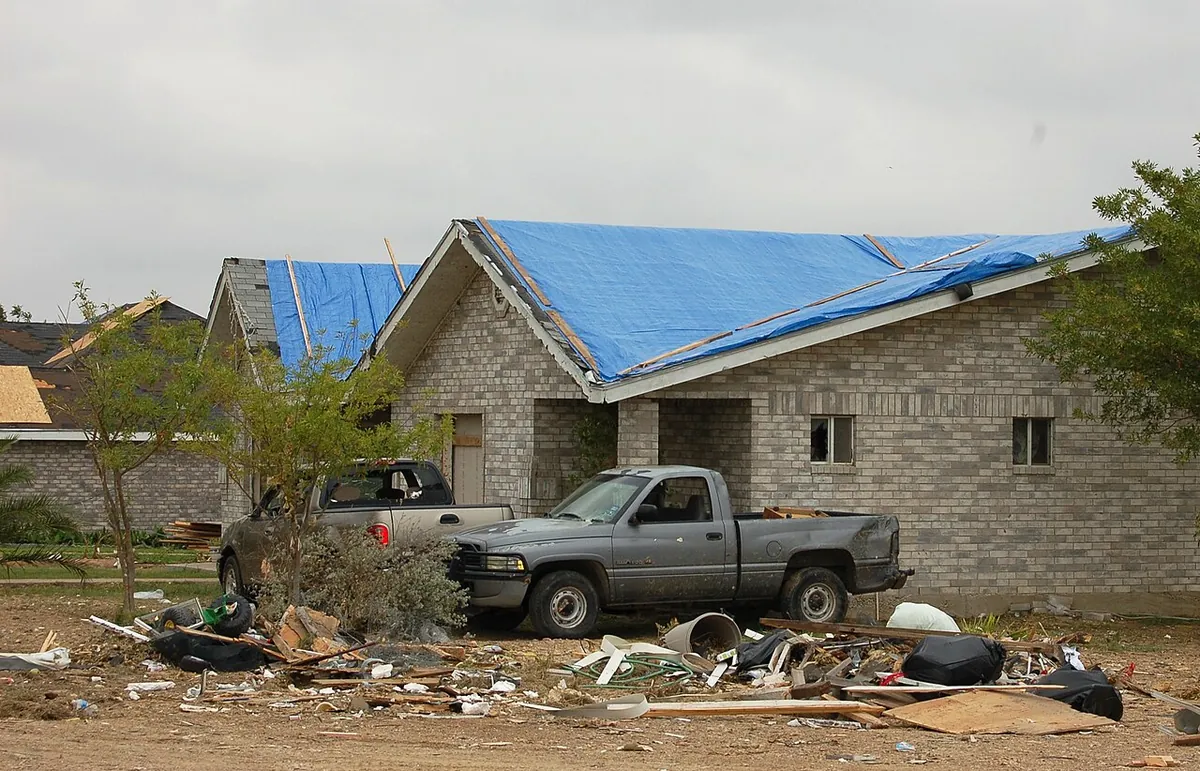
The June 2012 derecho swept across the state in a few hours, knocking out power for well over a million Virginia customers and dropping trees and roofs from the Shenandoah Valley to the Chesapeake Bay. Tornadoes are less frequent than in the Plains, but they do strike. The February 2016 outbreak hit Appomattox County and the town of Waverly, and the remnants of Tropical Storm Isaias spawned a deadly tornado in Southampton County in August 2020. Many Virginia tornadoes form inside tropical systems and squall lines, so they arrive with little warning.
What a wind and tornado damage appraisal looks for
- Creased and unsealed shingles that stay in place but have lost their bond. They’re easy to miss from the ground and often left out of the first estimate.
- Siding and trim where a few missing pieces mean a full elevation can’t be matched.
- Structural movement: racked porches, shifted trusses, cracked rafters and damaged sheathing.
- Outbuildings, fences and carports under Other Structures coverage.
- Interior water from wind-driven rain entering through the damaged envelope.
Deductibles and causation
Some Virginia policies carry a separate wind or named-storm deductible, often a percentage of dwelling coverage. When a tornado forms inside a named tropical system, which deductible applies depends on the policy’s trigger language. We read that wording before the dollars are argued. Our deductible converter shows what a percentage deductible means in dollars.
Wear versus wind
Carriers often attribute lifted or missing shingles to age. We separate pre-existing wear from fresh storm damage with tear patterns, debris fields, fastener evidence and local weather data for your address.
Questions about wind & tornado damage appraisal
How do I prove the wind speed at my house?
Official stations are often miles away. Storm reports, radar data, damage surveys and nearby damage patterns help establish what happened at your address.
Is a derecho treated like a hurricane under my policy?
Usually not. Named-storm deductibles normally depend on a storm named by the National Hurricane Center or a related warning. A derecho is a windstorm, so your standard or wind deductible would typically apply.